Demographic Shifts Driving Innovation in Virtual Gaming Payment Solutions
Geschrieben von Erik Perry · 28.9.2026
Demographic Shifts Driving Innovation in Virtual Gaming Payment Solutions
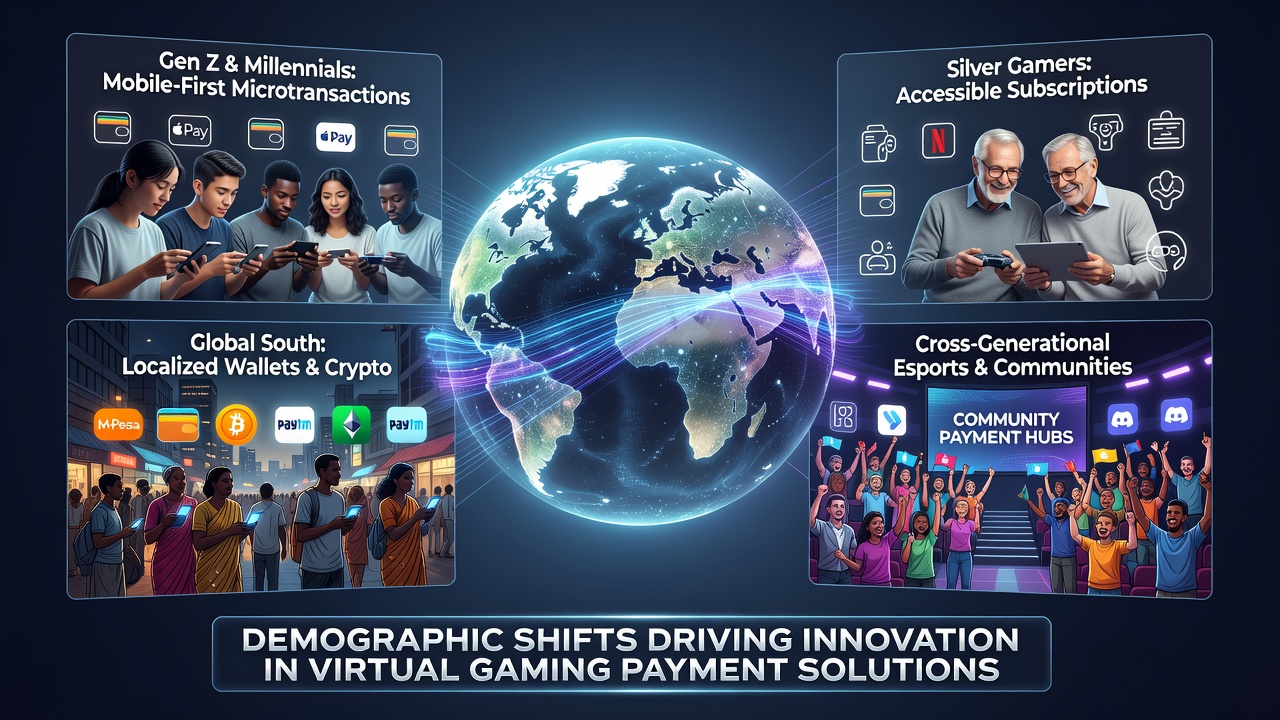
Population changes across age groups and geographic areas continue to reshape payment methods in virtual gaming platforms, with data from multiple studies highlighting how these patterns prompt providers to adapt transaction systems. Younger cohorts born after 1995 demonstrate stronger adoption of digital wallets and cryptocurrency options while older segments maintain preferences for established bank transfers and credit cards, and researchers at institutions tracking consumer behavior note these divides create targeted development opportunities in the sector.
Generational Preferences Shape Transaction Methods
Millennials and Generation Z users, who now represent the largest share of virtual gaming participants in many markets, favor seamless mobile integrations and instant processing times that align with their digital lifestyles. Studies from academic sources indicate these groups initiate over 60 percent of transactions through e-wallets or blockchain-based solutions in regions with high smartphone penetration, and this trend accelerates as platforms introduce features like one-click cryptocurrency deposits that reduce friction during gameplay sessions. In contrast, users over age 55 show consistent reliance on traditional methods, with figures from industry reports revealing they complete more than half their payments via direct bank links or card processors that offer familiar security layers.
What's interesting is how these preferences drive companies to maintain parallel systems rather than uniform upgrades, since a single approach fails to capture both ends of the spectrum. Observers note that platforms tracking user demographics in real time can adjust available options dynamically, and this flexibility has led to measurable increases in retention rates among diverse age brackets according to aggregated data from North American operators.
Regional Population Dynamics Influence Global Standards
Shifts in population centers across Asia and Latin America introduce additional layers of complexity, where rising middle classes in countries like India and Brazil prioritize mobile-first payments tied to local banking apps. Data compiled by international financial bodies shows these areas experienced a 35 percent jump in digital transaction volumes for entertainment services between 2023 and 2025, prompting virtual gaming providers to partner with regional fintech firms for localized currency support and lower fee structures. European markets meanwhile reflect slower but steady adoption of cross-border solutions, with users in Germany and France increasingly selecting instant bank transfers over cards as regulatory frameworks evolve.
By September 2026, anticipated updates to digital payment directives in several jurisdictions are expected to further standardize these options, allowing seamless movement of funds while maintaining compliance with age verification requirements that differ by country. Experts tracking these developments point to how such changes address the needs of mobile-heavy demographics without disrupting established user bases elsewhere.
Technology Adaptations Driven by User Data
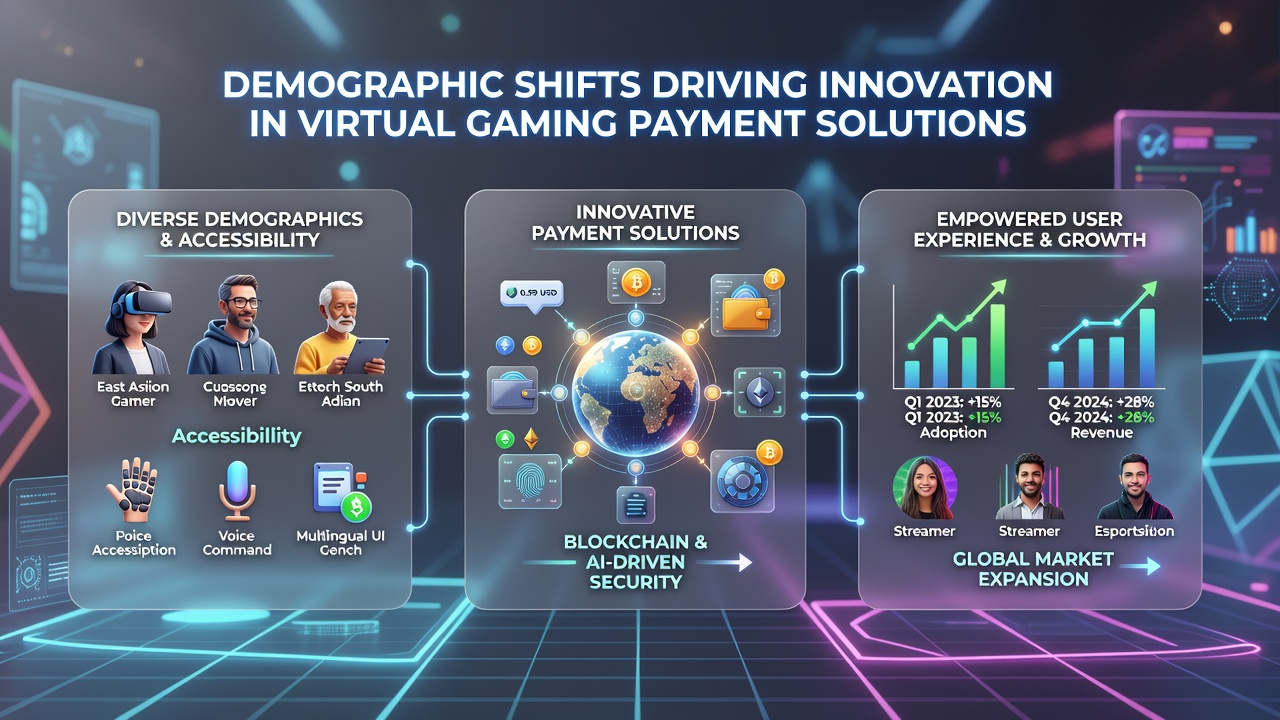
Payment solution developers respond to these demographic signals by expanding support for hybrid models that combine speed with regulatory safeguards, and evidence from trade group analyses confirms a rise in platforms offering both traditional and emerging methods side by side. In one documented case, operators in Canada integrated biometric authentication for younger users alongside legacy card options, resulting in broader accessibility across age groups as reported by Statistics Canada in their consumer finance reviews. Similar patterns appear in Australian markets where the Reserve Bank of Australia data on electronic payments highlights increased uptake of instant rails among urban populations shifting toward remote entertainment formats.
But here's the thing: these innovations do not replace older systems outright, instead layering new capabilities that accommodate varying comfort levels with technology. Researchers emphasize that successful implementations rely on granular demographic analysis rather than broad assumptions, which helps explain why certain platforms report higher conversion rates after segmenting their payment interfaces by user location and age metrics.
Security and Compliance Considerations
As demographic diversity expands the user base, security protocols evolve to address specific vulnerabilities associated with different payment preferences. Younger participants often engage with decentralized finance tools that require enhanced fraud detection layers, while older demographics benefit from reinforced verification steps in conventional channels. Figures from the European Central Bank on payment security trends indicate that platforms incorporating demographic insights into their risk models achieve lower incident rates overall, and this approach integrates with broader efforts to meet international standards for virtual transactions.
Those who've examined industry reports note that collaboration between gaming operators and financial regulators in multiple regions supports these tailored measures, ensuring innovations keep pace with population changes without introducing unnecessary barriers.
Conclusion
Demographic shifts continue to steer advancements in virtual gaming payment infrastructure through distinct generational and regional patterns that data consistently documents. Providers adapt by developing flexible systems capable of serving varied user profiles, with ongoing regulatory developments like those projected for September 2026 reinforcing the need for inclusive yet secure options. This landscape reflects measurable responses to population trends rather than uniform overhauls, as evidenced by statistics from sources across North America, Europe, and Asia-Pacific regions.