Transforming Payments: How New Technologies Alter Transaction Dynamics in Licensed Virtual Gaming
Geschrieben von Anna Washington · 14.9.2026
Transforming Payments: How New Technologies Alter Transaction Dynamics in Licensed Virtual Gaming
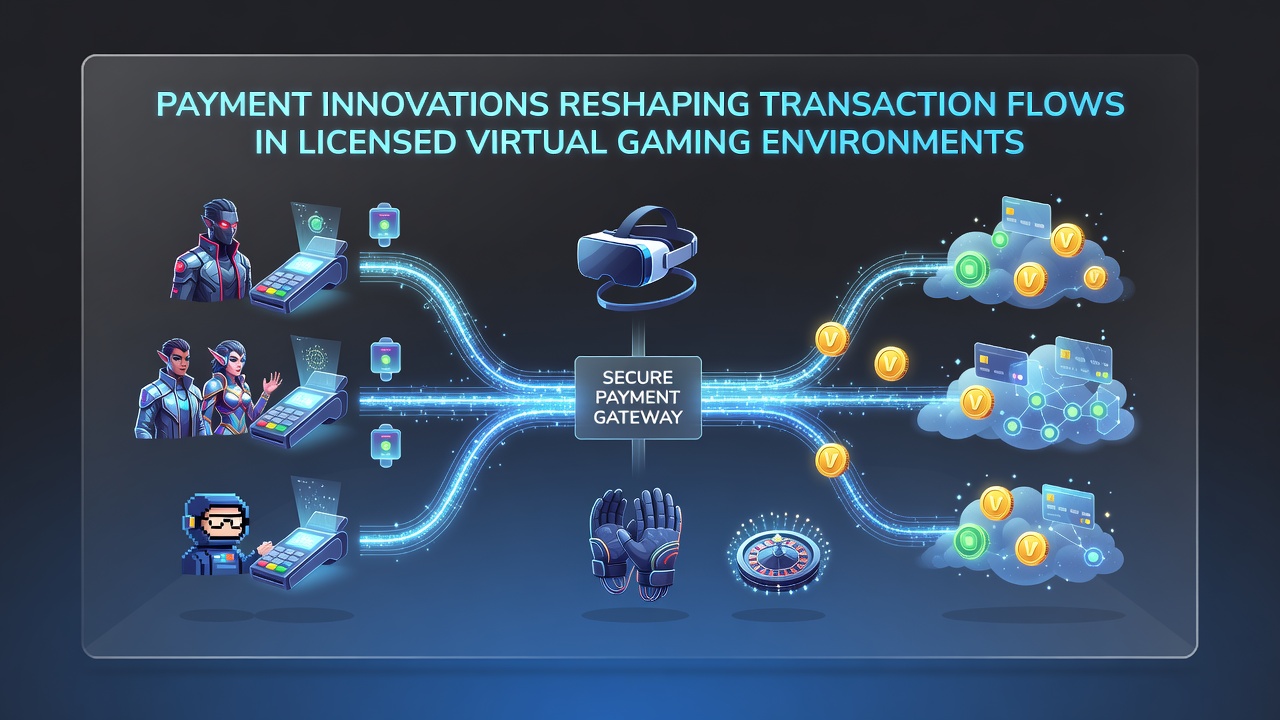
Payment innovations continue to modify how transactions occur inside licensed virtual gaming environments, with systems moving toward faster processing times and enhanced security protocols. Licensed operators integrate multiple methods that range from traditional banking channels to emerging digital wallets and blockchain-based solutions, while regulatory frameworks in various regions require compliance with data protection standards and anti-money laundering rules. Data from industry reports indicate that transaction volumes in these environments have grown steadily through 2025, with projections extending into September 2026 showing further adoption of instant settlement options.
Operators in Europe and North America have adopted real-time payment rails that reduce settlement periods from days to seconds, and this shift stems from partnerships with financial technology providers. According to figures released by the European Gaming and Betting Association, electronic wallet usage within regulated platforms accounted for over 40 percent of deposits in several member states during the previous year. These platforms maintain licensing requirements that mandate verification processes before any funds transfer completes, which helps prevent unauthorized activity while supporting smoother user experiences.
Core Technologies Driving Change
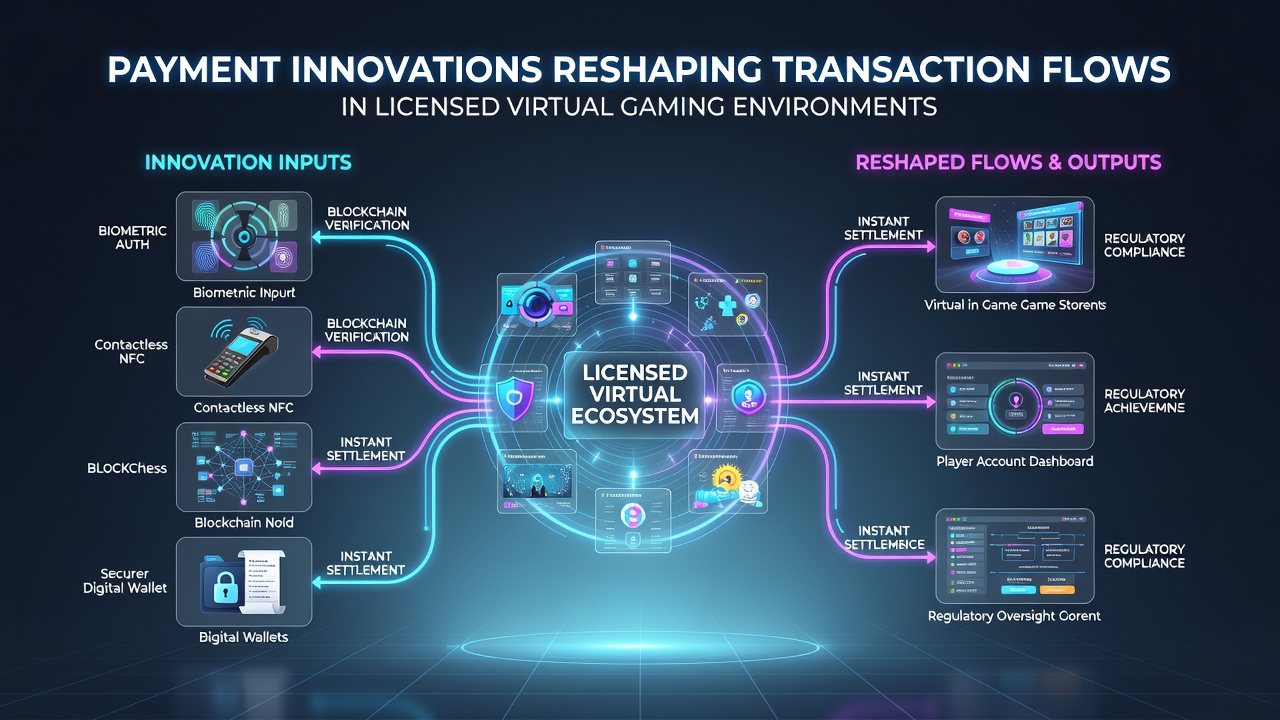
Blockchain integration appears in select licensed jurisdictions where regulators permit distributed ledger technology for transaction recording, and this approach provides transparent audit trails that satisfy oversight bodies. Researchers at academic institutions studying digital finance have documented how smart contracts automate payout triggers once game outcomes receive verification from independent systems. In parallel, contactless and mobile payment applications expand access for users who prefer device-based authentication over manual card entry, and data shows these methods lower error rates associated with traditional input processes.
Artificial intelligence tools now monitor transaction patterns in real time across licensed platforms, flagging anomalies that could signal fraud before completion. Government agencies in Canada and Australia have issued guidelines that encourage operators to deploy such monitoring while preserving player privacy through anonymized data handling. One study from a university research group highlighted that predictive algorithms reduced chargeback incidents by measurable percentages in controlled trials conducted over twelve months.
Regional Regulatory Influences
Licensing authorities across different continents enforce distinct rules that shape which payment innovations reach market. In the United States, state-level gaming commissions approve specific processors and require segregation of player funds from operational accounts. Meanwhile, regulatory updates scheduled for late 2026 in select European markets aim to standardize cross-border transaction reporting, and this development could streamline operations for multi-jurisdictional operators.
Industry associations track these policy shifts and publish comparative analyses that help stakeholders understand varying compliance burdens. Payment service providers respond by building modular systems capable of adapting to local mandates without full re-engineering, and evidence from deployment case studies confirms reduced implementation timelines when such flexibility exists.
Security and Compliance Measures
Encryption standards have advanced alongside payment innovations, with many licensed environments now employing end-to-end protocols that protect data during both storage and transit. Two-factor authentication combined with biometric verification adds layers that deter unauthorized access attempts, and operators report fewer security incidents after adopting these combined approaches. Regulatory bodies require regular third-party audits of these systems, and findings from such reviews get submitted to oversight agencies for ongoing approval.
Tokenization replaces sensitive card details with unique identifiers that hold no intrinsic value outside the specific transaction session, and this technique has become standard practice in environments where credit card usage remains prevalent. Observers note that tokenization works alongside other measures such as velocity checks that limit rapid successive transfers, thereby addressing both fraud prevention and responsible play objectives.
Future Outlook Through 2026
By September 2026, analysts expect wider rollout of central bank digital currencies in pilot programs tied to licensed gaming sectors, particularly in regions already testing such currencies for general commerce. These developments would allow direct integration with platform wallets while maintaining the traceability demanded by regulators. Industry reports project continued growth in instant payout features, driven by competition among licensed operators seeking to differentiate their offerings through speed and reliability.
Collaboration between payment networks and gaming software providers has produced application programming interfaces that embed compliance checks directly into transaction flows, reducing manual review requirements. Data indicates these integrated solutions cut processing costs while preserving the audit capabilities essential for license maintenance.
Conclusion
Payment innovations continue reshaping transaction flows across licensed virtual gaming environments through a combination of technological advances and regulatory alignment. Operators that implement secure, compliant solutions benefit from operational efficiencies, while users gain access to varied, protected methods for deposits and withdrawals. Ongoing developments through September 2026 and beyond will likely build on current foundations, expanding options that satisfy both commercial needs and oversight requirements in multiple jurisdictions.